 English
 French
  German
Sorry, nothing in cart.
Exploring the psychology behind casino games and player behavior
The Allure of Casino Games
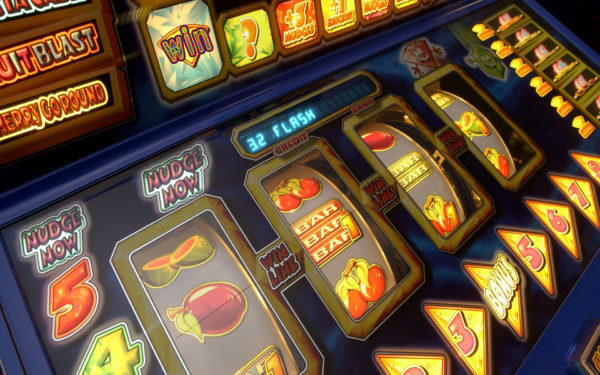
Casino games have an innate appeal that attracts millions of players worldwide. The thrill of chance, combined with the environment’s excitement, creates a powerful cocktail that engages players on multiple levels. For those seeking a fun option, exploring a no kyc verification casino can enhance the gaming experience. The vibrant lights, sound of coins, and animated dealer interactions stimulate players’ senses, making the gambling experience exhilarating. This sensory overload can trigger dopamine releases in the brain, reinforcing the desire to play more.
Moreover, the architecture and layout of casinos are designed strategically to maximize player engagement. From the placement of slot machines to the positioning of gaming tables, everything is meticulously crafted to keep players within the gaming zones. This design not only encourages longer playtime but also minimizes distractions, allowing players to immerse themselves fully in the gambling experience.
The Role of Risk and Reward
The psychology of gambling is heavily influenced by the concepts of risk and reward. Players often experience a heightened sense of excitement when faced with uncertainty, which can lead to a phenomenon known as “variable reinforcement.” This term refers to the unpredictability of winning, which often keeps players coming back for more in hopes of hitting that elusive jackpot.
The thrill associated with potential big wins can overshadow the reality of losses, leading to a disconnect between actual experiences and perceived outcomes. This cognitive bias can result in players chasing losses, believing that a win is just around the corner. Such behavior illustrates how psychological factors can drive risky gambling habits, often leading to compulsive gambling.
Social Dynamics in Gambling
Casino gaming is not just an individual endeavor; it’s deeply influenced by social interactions. Many players enjoy the communal aspect of gambling, whether it’s celebrating wins with friends or bonding over shared experiences at the tables. This social dynamic can amplify the excitement of the game and create a memorable experience beyond monetary rewards.
Additionally, peer pressure can impact player behavior significantly. Observing others winning might instill a sense of competition or FOMO (fear of missing out), prompting players to continue gambling, even when they might have set limits for themselves. The social environment of a casino can lead to impulsive decisions that players may regret later, emphasizing the need for self-awareness and discipline in gaming.
The Impact of Technology on Gambling Behavior
With the rise of online casinos and mobile gaming, technology has profoundly changed how people approach gambling. The convenience of playing from anywhere at any time has made it easier for players to engage with their favorite games. This accessibility can lead to increased gambling frequency and, for some, a slippery slope into problematic gambling behavior.
Moreover, online gaming platforms utilize algorithms and data analytics to enhance player engagement. Personalized gaming experiences, targeted promotions, and instant access to games can create an addictive environment. Players may find themselves spending more time gambling online, often without the physical cues that typically signal them to stop in a traditional casino setting.
Ensuring a Safe Gaming Environment
In the ever-evolving world of gambling, ensuring player security and a positive experience is paramount. Many online platforms prioritize user safety, implementing robust security measures against cyber threats while providing clear guidance on responsible gaming. These platforms aim to create an environment where players can enjoy their gaming experience without the worry of safety or privacy issues.
Education on responsible gambling practices is also becoming a focal point as the industry grows. Players are encouraged to set limits and be aware of the psychological aspects that can impact their behavior. By fostering a culture of safety and education, casinos can offer a more reliable gaming experience, ultimately benefiting both the operators and the players.